If you were to trace a finger across the sun-baked maps of the Khandesh region, your nail would likely snag on a name that suggests a cooling, pastoral sanctuary: Dahiwad.
At first glance, the name is a linguistic curiosity—a combination of the Marathi words for curd (dahi) and settlement (wad). One might imagine a sleepy hamlet defined by overflowing milk pails and white-washed walls. However, as you zoom in on the Amalner Taluka of the Jalgaon district, this "village of curd" reveals itself to be something far more muscular, ancient, and surprisingly defiant. To understand Dahiwad is to understand the soul of the North Maharashtra plains, where the softness of the name meets the hardness of a reality forged in iron and stone.
A Century of Martial Heritage
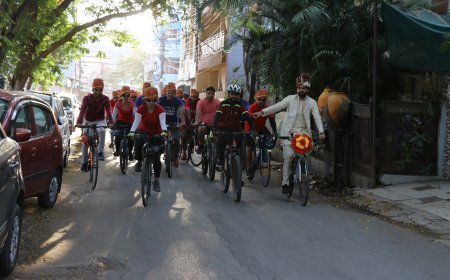
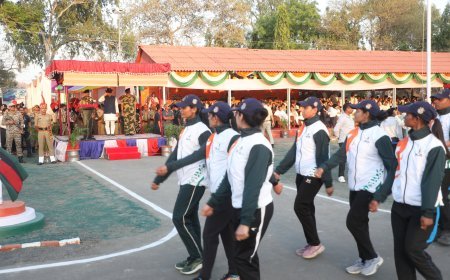
While the name Dahiwad implies a yielding, agrarian nature, the demographic reality is made of tempered steel. In this specific pocket of Amalner, the house-to-uniform ratio is among the highest in the district. Dahiwad has evolved into a "Sainikanch Gaon" (Village of Soldiers), where military service is not merely a career choice but a sacred rite of passage.

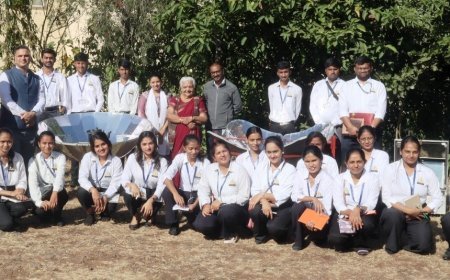
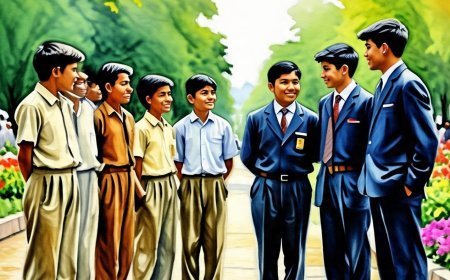
The Maratha Light Infantry legacy that defines Dahiwad’s martial soul.
The village square, or chavadi, is a living museum of Indian military history. It is common to find three generations of service within a single ancestral wada. From the grandfathers who served in the 1971 war to the sons currently stationed at the Line of Control or the Siachen Glacier, the lineage of the Maratha Light Infantry and the Artillery runs deep here. With dozens of active-duty soldiers and over a hundred veterans in a population of roughly seven thousand, the local Navbharat High School acts as an unofficial preparatory academy.
The Twelve Cart Miracle
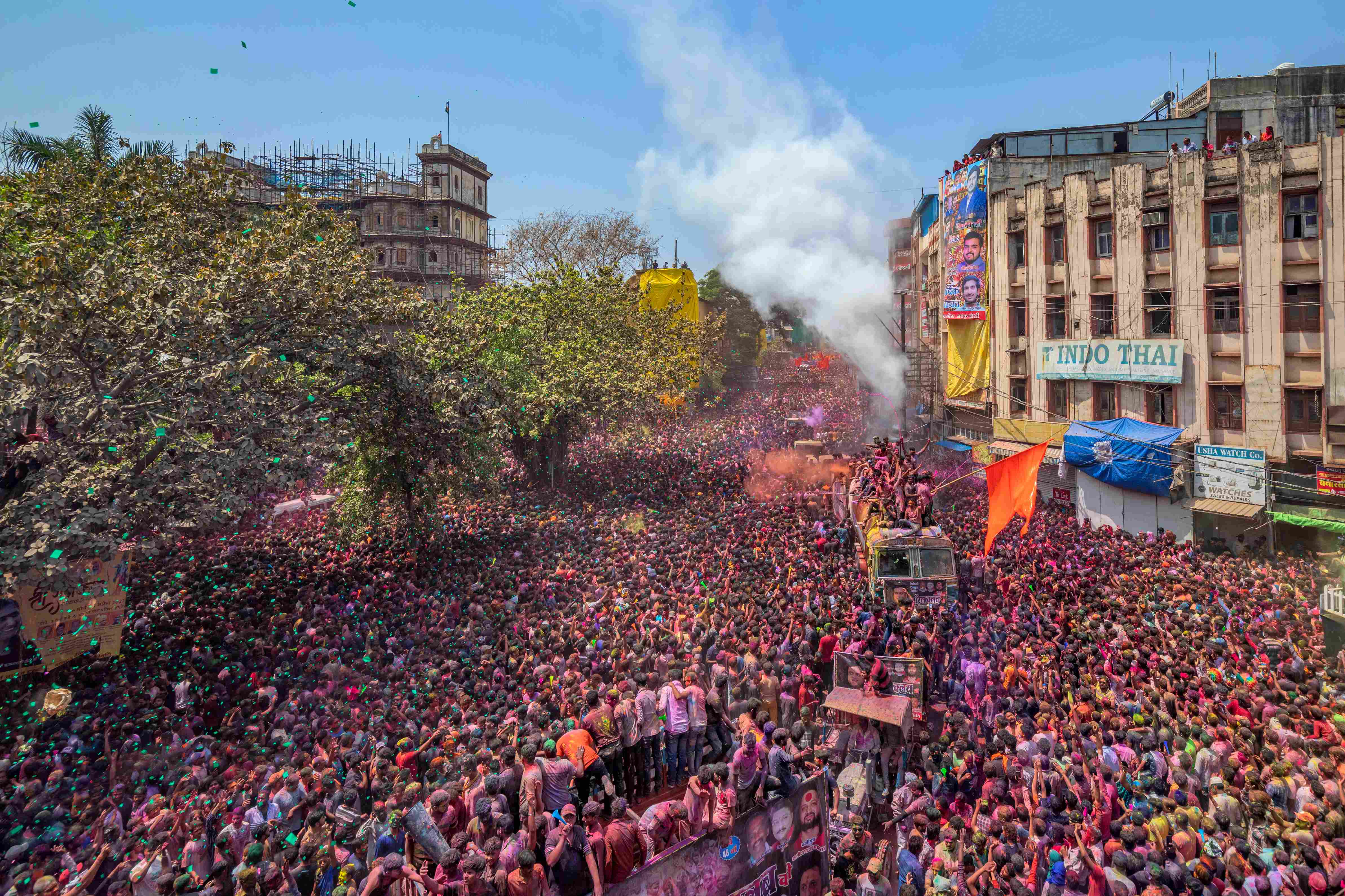
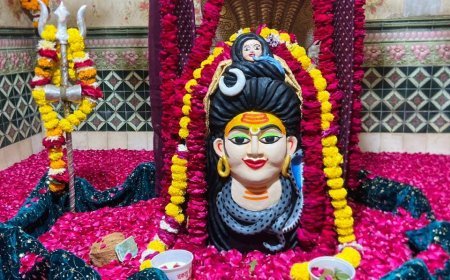
The cultural apex of the village occurs during the Khandoba Yatra, a festival that transforms the dusty landscape into a theater of extreme physical performance. This is the site of the Baara Gada, or the twelve-cart pull.

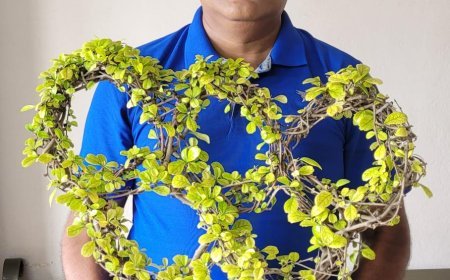
The Baara Gada: A single devotee pulling the collective weight of twelve carts.
During this ritual, twelve massive bullock carts are chained together in a line. A single devotee, known as the Bhagat, is harnessed to the front. As the dhol-tasha drums reach a fever pitch, he pulls the entire weight of the convoy. From a mechanical perspective, it is a feat of momentum and friction management; from a cultural perspective, it is a symbolic representation of the village itself—one unit pulling the collective weight of the community.
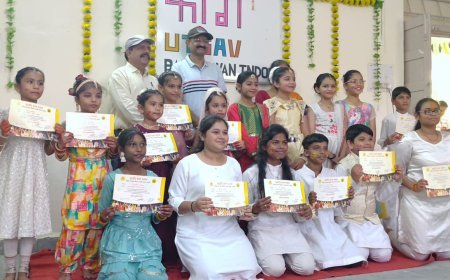
A Labour of Love: Smita Patil Public School
Travel north to the Dahiwad in the Shirpur Taluka of Dhule, and the narrative shifts from the battlefield to the silver screen and social reform. Here, the village is home to the Smita Patil Public School (SPPS), a sprawling 24-acre "labor of love" established in 1996.

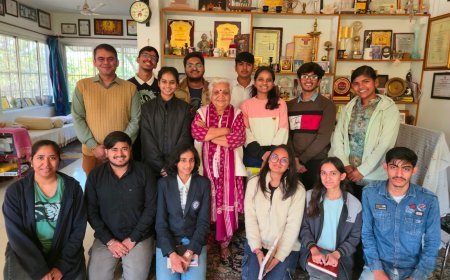
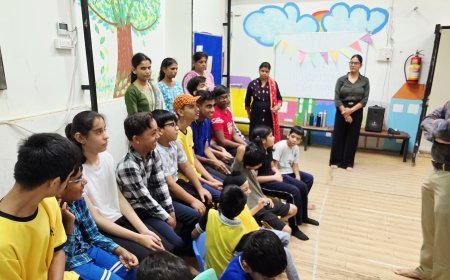
The Smita Patil Public School, a beacon of rural education.
Founded by the late parliamentarian Shivajirao G. Patil in memory of his daughter, the legendary National Award-winning actress Smita Patil, the school serves as a beacon of quality education for rural children. It reflects Smita Patil’s own legacy—a blend of traditional roots and progressive excellence. With over 750 students and modern boarding facilities, this Dahiwad has evolved into an educational hub that nurtures the "leaders of tomorrow."
Chor Chawadi Waterfall
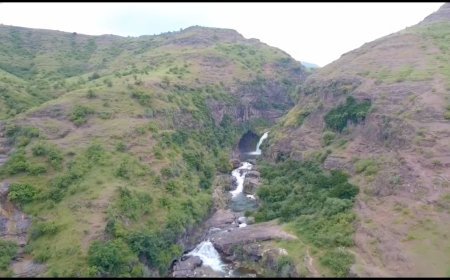
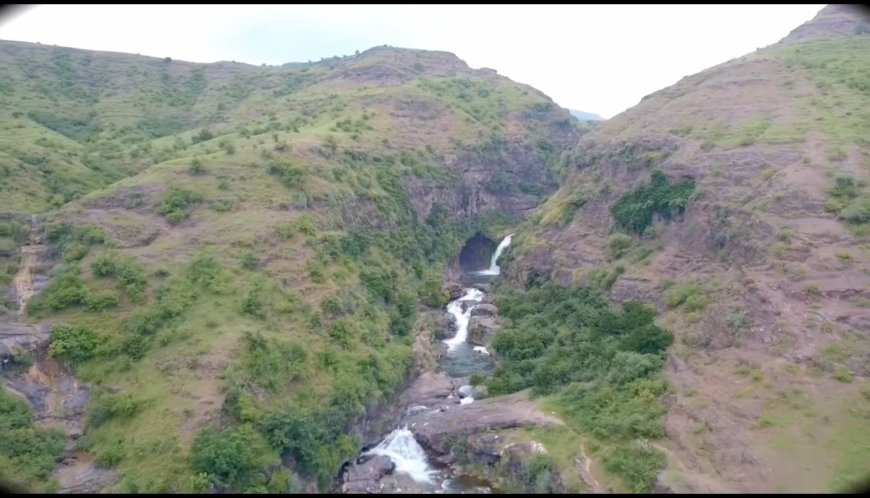
While the Amalner region is known for its arid climate, the name Dahiwad also leads travelers to a hidden natural wonder located in its namesake territory in the Nashik district: the Chor Chawadi Waterfall (also known as Charchaudi or Chawadi Waterfall).

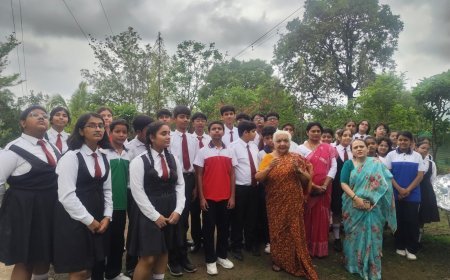
The seasonal marvel of Chor Chawadi, a mist-covered sanctuary for nature enthusiasts.
This seasonal marvel serves as the primary natural attraction for the area, offering a stark contrast to the rugged, martial reputation of the village. During the monsoon, the landscape softens as water cascades down the rocky basalt cliffs, creating a mist-covered sanctuary that draws hikers and nature enthusiasts from across the state.
The Educational Rebellion of 1914
Perhaps the most significant chapter in the evolution of Dahiwad is its early investment in the mind. In 1914, the elders of Dahiwad were laying the foundation for a Marathi medium school. The founders realized that literacy was the only defence against the exploitation of the colonial agrarian system. This historical spark explains why Dahiwad today acts as a political laboratory for the region.
Transition from Soil to Silicon
By 2026, the evolution of Dahiwad has entered its digital phase. The mud tracks have been replaced by tarred roads, and the village is now integrated into the fiber-optic grid of rural Maharashtra. The youth are no longer just dreaming of the infantry; they are engaging in the "reverse migration" trend, bringing technical skills back to start agri-tech ventures.
Travel Logistics: Reaching Dahiwad
Dahiwad is centrally located in the Khandesh belt, making it accessible from major hubs in Madhya Pradesh and Maharashtra.
From Indore (approx. 240 km)
By Road: Take the Indore-Sendhwa-Dhule highway (NH 52). From Dhule, head towards Amalner. It’s a scenic 5-6 hour drive through the Satpura foothills.
By Bus: Frequent MSRTC and private sleepers run between Indore and Dhule/Amalner.
From Nashik (approx. 165 km)
By Road: Follow the Nashik-Malegaon-Dhule route. Dahiwad (Amalner) is well-connected via state highways from Dhule.
By Train: The nearest major railhead is Amalner (ALN) or Jalgaon Junction (JL). Several express trains from Nashik Road stop at Amalner.
Pro-Tip for Travelers:
If you're visiting for the Chor Chawadi Waterfall, the best time is between July and September. For the Khandoba Yatra and the 12-cart pull, check the Hindu lunar calendar for Champa Sashti (usually November/December).
Blogger Search Description: Exploring the history and geography of Dahiwad in North Maharashtra. Featuring the Village of Soldiers, the legacy of Smita Patil, and the Chor Chawadi Waterfall. A travel diary by Tina Khatri.
TAGS: tinakhatri.blogspot.com, Dahiwad Jalgaon, Amalner Tourism, Smita Patil School, Maratha Infantry, Khandoba Yatra, Chor Chawadi.