







































Mandatory school meals ban backfires as Shishukunj food poisoning forces 4,500 students into early morning tiffin panic

The strict mandate at The Shishukunj International School that aggressively strips parents of their choice to pack home meals completely backfired on Tuesday. More than 4,500 students at the Jhalaria campus had to scramble to carry their own packed lunch boxes after district officials sealed the central school mess. The administrative shutdown follows a severe food poisoning outbreak that left over 110 primary children violently ill over the weekend. On Tuesday, classrooms looked half-empty as attendance plummeted with dozens of children still recovering from acute dehydration at home, while those who attended spent the day gossiping about why a premium school was storing expired food.
The sudden kitchen closure completely upended the morning routines of dual-income households due to the school’s rigid rules. Normally, Shishukunj strictly enforces a zero-tolerance policy making institutional catering compulsory. Home-cooked tiffins are explicitly banned unless a family presents a doctor's certificate to win a special administrative exemption. Because families were forced to rely on this contract, the sudden catering ban threw working parents into total logistical chaos.
"My husband and I log into work early, so we rely entirely on the mandatory mess because we are forced to," corporate executive Shalini Sen said. "Waking up at 5:30 a.m. to cook a full lunch from scratch and manage a commute exhausted us on Tuesday. The school charges premium fees—this negligence is entirely unacceptable when they take away our choice to feed our children."
Pediatrician Dr. Nidhi Sharma highlighted the dangerous systemic risks imposed on families. "Families are facing a severe health risk and a logistical nightmare simultaneously. We are forced to rearrange our entire professional mornings to cook because the school failed to monitor its own pantry expiry dates," Dr. Sharma noted.
The internal dining shutdown created an identical crisis for the teaching staff on Tuesday morning. Shishukunj faculty members traditionally eat both breakfast and lunch at the school mess and rarely ever prepare mid-day meals for themselves before dawn. "Teachers have to arrive at the campus exceptionally early and we simply lack the habit of packing tiffins at 5:30 a.m.," a senior coordinator admitted under condition of anonymity. "On Tuesday, many of us had to rush to pack basic dry snacks or simple sandwiches while managing incredibly tense classrooms full of anxious kids."
Junior wing headmistress Richa Tiwari stated that the school has launched an internal investigation into the complaints. "The food was cooked fresh and nothing was stale. The last meal in school was eaten on Saturday afternoon and the complaints started coming in on Monday," she said.
However, parental trust remains completely shattered after food safety officials discovered and seized 10 packets of expired spices and two expired snack bags from the school storage. Parents are now questioning why they should be contractually forced to feed their children school food when basic monitoring is missing. "If they force our children to eat their food by contract, their safety standards must be flawless," stated parent Rajiv Khandelwal. The massive dining halls will remain dark while state laboratories finish testing 23 food and water sa
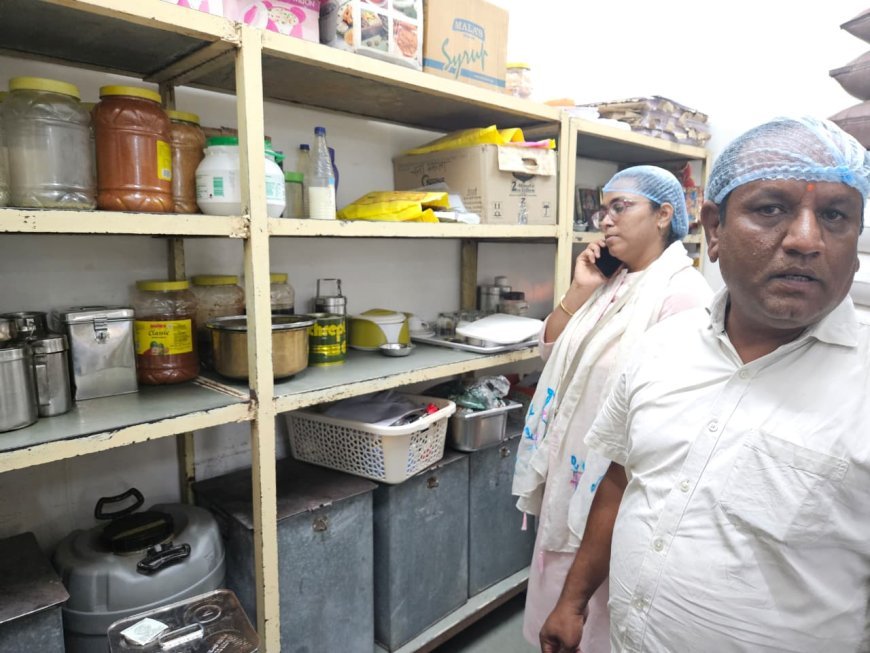
mples.