
















Indore Bonsai Artist Turns Three Carmona Plants Into Stunning Olympic Rings Tree

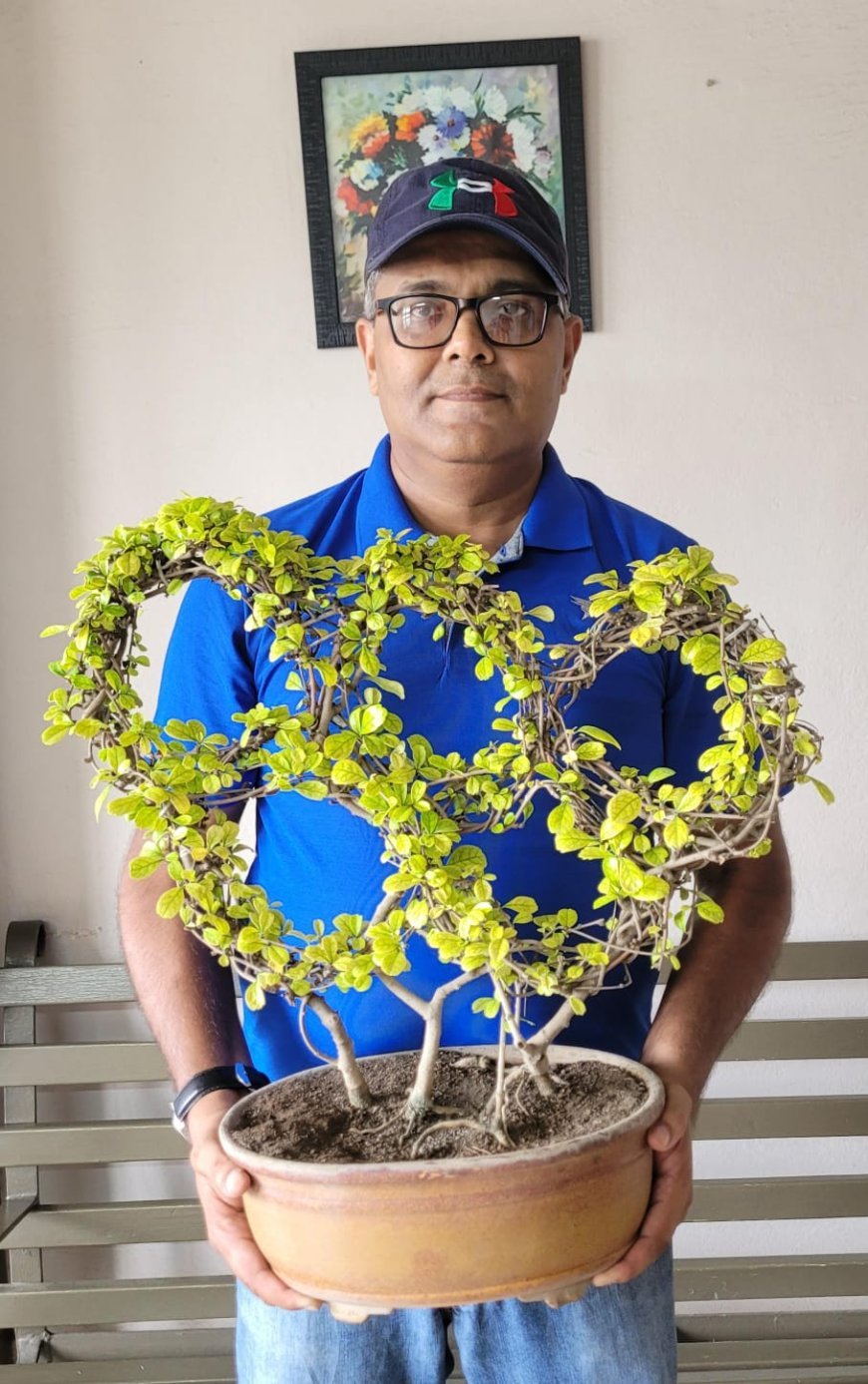
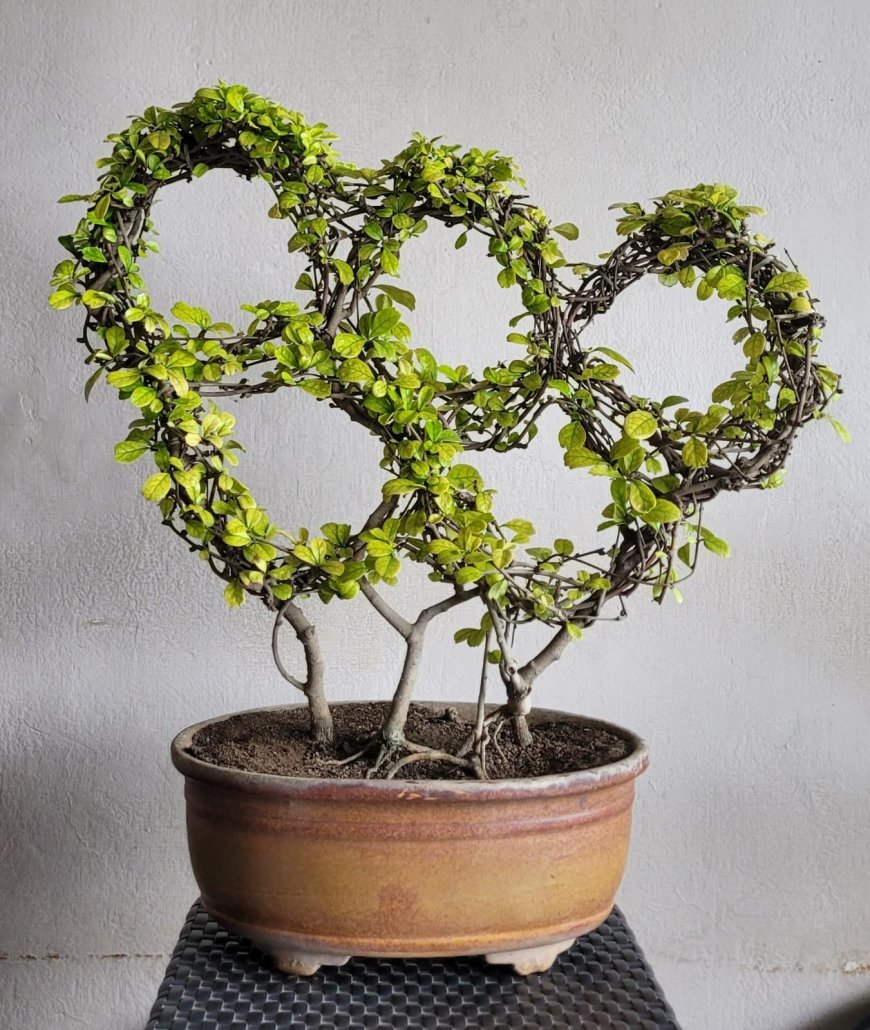
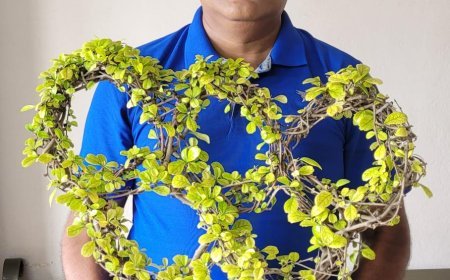
An Indore bonsai artist has created a stunning Olympic rings bonsai tree after nearly nine years of meticulous cultivation, training three Carmona plants into five perfectly linked circles. The unique creation by Zafar Shaikh combines horticultural skill with Olympic-inspired symbolism, showcasing patience, precision and a passion for environmental conservation.
The 1.5-foot-tall bonsai has emerged as a rare example of creative plant training, drawing admiration from visitors and bonsai enthusiasts alike. Built from three separate Carmona plants growing in a single pot, the structure recreates the iconic Olympic emblem through carefully shaped living branches.
Shaikh said the inspiration came while watching the Rio Olympics in 2016. Fascinated by the symbolism of the rings, he envisioned a bonsai that would reflect the values of unity and perseverance while highlighting the beauty of nature.
"The Olympic rings represent togetherness and harmony," he said. "I wanted to express those ideas through bonsai, which itself is an art form built on patience and discipline."
The project required years of careful planning and execution. Five aluminum frames were arranged in the familiar Olympic pattern, and young branches were gradually guided along the circular outlines. As the plants grew, the branches were wired, trimmed and repositioned to maintain the shape of each ring.
Shaikh explained that the work demanded constant attention over the years. Fresh shoots had to be removed regularly, while supports and bindings were adjusted every few months to prevent uneven growth.
"There were times when certain branches grew faster than others," he said. "A small imbalance could affect the entire design, so every detail had to be monitored carefully."
Members of the bonsai community have described the creation as an uncommon accomplishment. Many practitioners noted that traditional bonsai generally focus on a single trunk, whereas this project required three separate plants to work together in a highly structured arrangement.
Bonsai enthusiasts familiar with the project said achieving five symmetrical, interconnected rings while preserving the health of all three plants is a significant technical challenge.
For Shaikh, however, the tree represents more than an artistic achievement. He hopes to showcase it at environmental exhibitions and awareness programmes across the state, using it as a conversation starter about tree conservation and urban greenery.
"Bonsai teaches you to think long-term," he said. "The same approach is needed when it comes to protecting nature. Small efforts made consistently can create something meaningful over time."
After nearly a decade of patient cultivation, the Olympic rings bonsai has become both a horticultural achievement and a symbol of dedication, proving that even the most ambitious ideas can take root when nurtured with care.