














Jimmy McGilligan Centre for Sustainable Development: Zerowaste life ,no trash bin ,plastic free ,chemical free campus

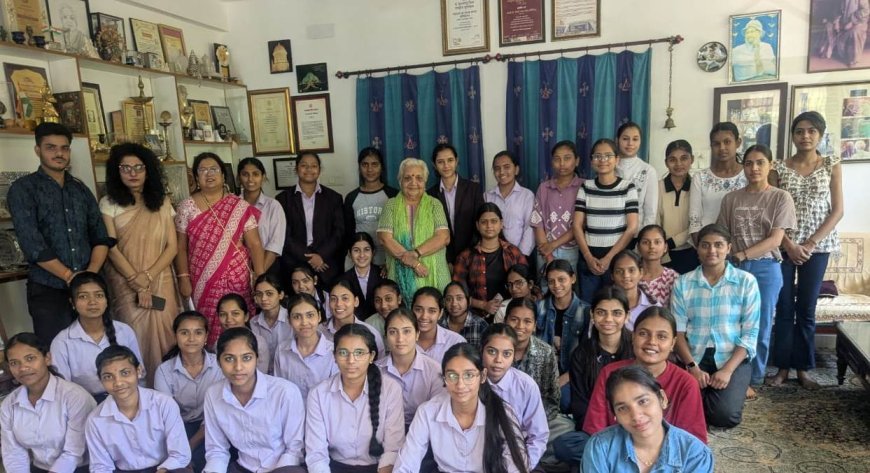
Bio-science students learnt about sustainable development, renewable energy and an Organic Farming from Padma Shri Dr. Janak Palta McGilligan
Indore
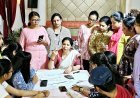
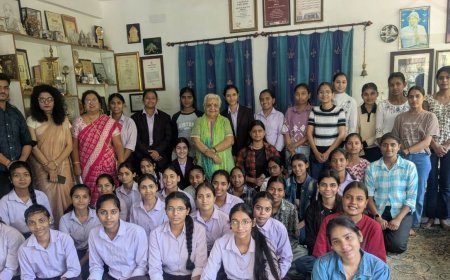
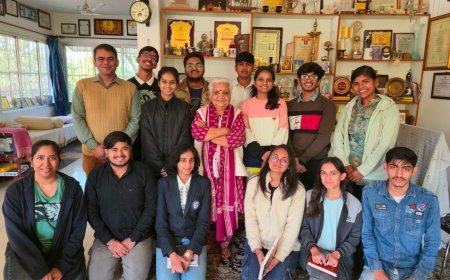
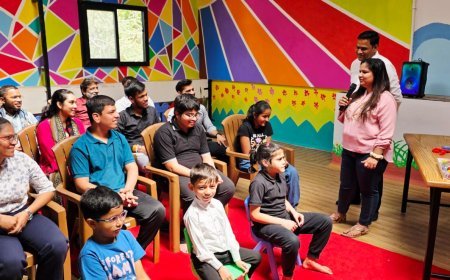
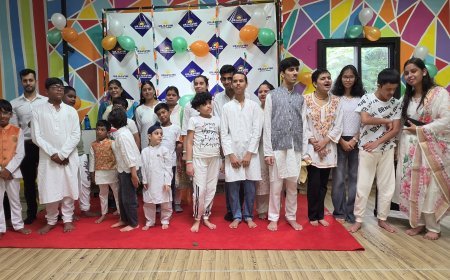
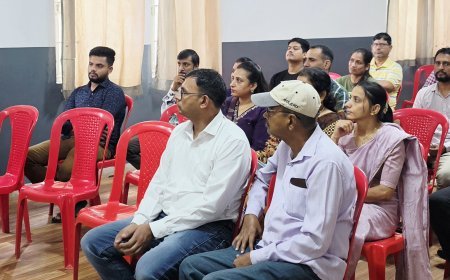
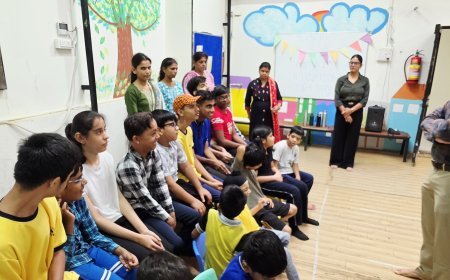
An educational visit was organized for B.Sc. Bio-science students of Shri Umiya Kanya Mahavidyalaya, Rau, Indore, to the Jimmy McGilligan Centre for Sustainable Development—an institution renowned for its work in the fields of sustainable development and environmental conservation, established by the environmentalist and Padma Shri awardee, Dr. Janak Palta McGilligan.
"During our visit with the Centre's Director, Dr. Janak Palta McGilligan, we gained detailed insights into sustainable technologies and their practical applications—covering areas such as renewable energy, solar cooking, medicinal plants, organic products, waste management, and eco-friendly lifestyles.This visit helped us understand how the environment can be protected and pollution reduced through the judicious use of natural resources.
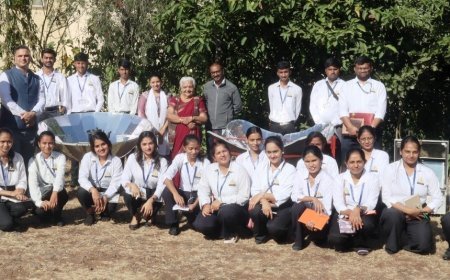
Solar Energy and Solar Cookers: We saw and learned about solar energy—a clean, renewable source of power derived from the sun. We were introduced to various types of solar cookers, most notably: box-type solar cookers, parabolic solar cookers, and large-size solar kitchen equipped with 'Scheffler dishes' that harness direct sunlight. These systems allow for cooking without the need to burn traditional fuels like wood, coal, or LPG.
We also learned about solar dryers, which utilize solar heat to dehydrate fruits, vegetables, herbs, and other food items. This method of solar drying is an effective way to preserve food and minimize food waste.
During the visit, we were amazed to see 2 kW hybrid solar-Windpower station—established by Janak Palta McGilligan and her late husband, Jimmy McGilligan—which serves as an exemplary model of environmental conservation and self-reliance. With this 2 kW system, Janak-ji not only meets her own household's energy needs but has also been providing free electricity to 50 impoverished, landless tribal families in her neighbourhood for several years.
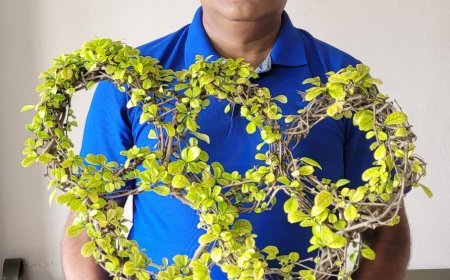
We also saw various medicinal and useful plants and learned about their applications in daily life—for instance, the *Hadjod* (Cissus quadrangularis) plant, which is particularly noted for its benefits to bone health. ...known for their associated traditional uses. (b) Plants used as shampoo. (c) Lemongrass and the Kadamb tree .Also saw and learnt about indigenous traditional grains and spices—specifically 'Sona Moti' wheat and 'Panch Masala' (a blend of five spices).
Organic Products and Natural Alternatives: We learned how to prepare useful products using natural, plant-based materials:- Organic 'phenyl' (disinfectant) or natural floor cleaner: Plant-derived substances can be used in certain cleaning products. Herbal tea: Made from lemongrass and many herbs growing their .- Natural hair cleanser: 'Reetha' (soapnut) was observed.
- Compost: Organic matter from the kitchen and garden is converted into nutrient-rich fertilizer.
During the visit, we observed the process of creating fuel briquettes from waste paper and agricultural residues, such as straw. We learned and understood the following:
Environmental Benefits of a Sustainable Lifestyle:
1. Conservation of natural resources: Reducing the unnecessary consumption of water, energy, and raw materials.
2. Reduction in pollution: Decreasing reliance on conventional fuels through the use of appropriate renewable energy technologies.
3.Zerowaste life ,no trash bin ,plastic free ,chemical free campus
4. Preservation of biodiversity: Supporting the ecosystem through tree plantation and the conservation of useful plant species.
5. Sustainable agriculture: Better resource management through composting and the responsible use of agricultural residues.
6. Energy conservation: Reducing the need for conventional energy sources through the use of solar cookers and solar dryers.
7. Environmental awareness: Encouraging people to adopt responsible habits in their daily lives.
8. Connection to Biotechnology
For B.Sc. Bio-Science students, this visit proved particularly useful for understanding the practical applications of biological sciences. Through this visit... It provided us with an opportunity to connect the theoretical knowledge gained in the classroom with the practical applications of science and environmental conservation.
This educational excursion proved to be a significant and enlightening experience for us. Through it, we learned that environmental conservation begins with small, individual efforts—such as reducing waste, planting trees, reusing items, conserving energy, and avoiding unnecessary consumption.Following the visit, the students shared their experiences:
- Tanishka Chauhan mentioned that she learned about solar cookers and developed an interest in understanding how they function.
- Pooja Sharma expressed a desire to learn more about organic products and their benefits.
- Rishi noted that the visit helped him understand how reliance on electricity can be reduced by utilizing natural and renewable energy sources.
- Khushi shared that she learned many new things related to nature and the environment.
Overall, this excursion fostered a greater awareness regarding a sustainable lifestyle, increased our awareness of sustainable living and showed us how science and traditional knowledge can work together to create a cleaner and healthier environment.
Expressing thanks Lavina Umale said visit to the environment-friendly home of Dr. Janak Palta McGilligan was an inspiring learning experience. Her lifestyle and commitment to sustainability demonstrate how we can protect nature by adopting simple, practical, and eco-friendly practices in our daily lives.Its not just a
is not simply a building; it is a living example of harmony between human beings and nature. By adopting sustainable practices today, we can help create a cleaner, greener, and healthier planet for future generations