


























Indore prepares for India’s biggest tiger census: AITE 2026
Indore Forest Division gears up for All India Tiger Estimation (AITE) 2026 with camera traps, field training, and mock exercises. Key data will aid tiger conservation and wildlife management in India.


The Indore Forest Division is gearing up for the All India Tiger Estimation (AITE) 2026, the country’s largest wildlife survey, scheduled from 18 to 24 December. Conducted every four years under the guidance of the National Tiger Conservation Authority (NTCA) and the Wildlife Institute of India (WII), the survey provides critical data that informs India’s tiger conservation strategies.
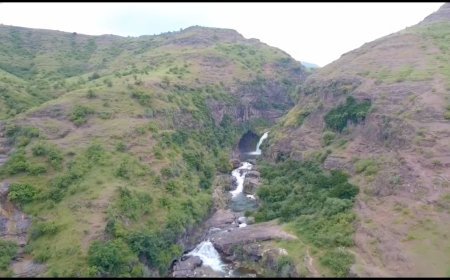
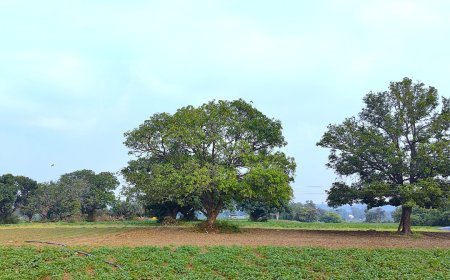
Across approximately 700 square kilometres of forest, nearly 200 square kilometres have been earmarked for camera-trap surveys, divided into 2-square-kilometre grids. Each camera trap will record tigers and other wildlife, with technical support from the Wildlife Conservation Trust (WCT), led locally by wildlife biologist Shri Vivek Tumsare, ensuring strict adherence to national scientific protocols.
AITE 2026: more than counting tigers
The AITE methodology includes four phases:
-
Ground surveys to record tiger signs, prey, and habitat conditions.
-
Satellite-based remote sensing for forest fragmentation and habitat assessment.
-
Camera-trap capture-recapture analysis to identify individual tigers and estimate populations.
-
Data consolidation and statistical analysis to produce accurate population estimates, prey density, and habitat health reports.
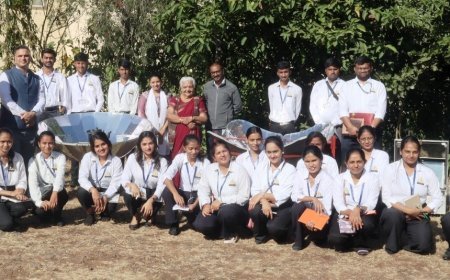
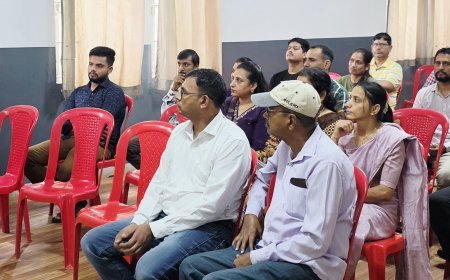
“Precision is key,” said Pradeep Mishra, DFO Indore. “Our staff have undergone intensive training in species identification, data recording, and the M-STrIPES digital monitoring system to ensure error-free data collection.”
Pre-AITE mock exercise in Indore
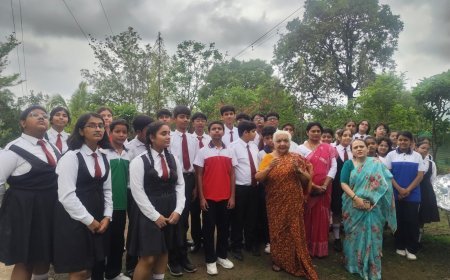
For the first time in the region, the division will conduct a two-day mock exercise on 11–12 December. Day one focuses on carnivores, including tracking pugmarks, scats, and camera placement, while day two will focus on herbivores and habitat assessment. The exercise aims to ensure field staff are fully prepared for the national census.
Once the fieldwork concludes in early 2026, Indore’s data will be integrated into the national database. The final AITE 2026 report, expected by July 2026, will guide wildlife corridor management, human-tiger coexistence strategies, and overall tiger conservation policy in India.
Through careful planning, technical collaboration, and innovative pre-survey exercises, the Indore Forest Division aims to provide high-quality scientific data, reinforcing India’s position as a global leader in tiger monitoring and wildlife conservation.